
BRAIN TUMORS

Brain Tumors
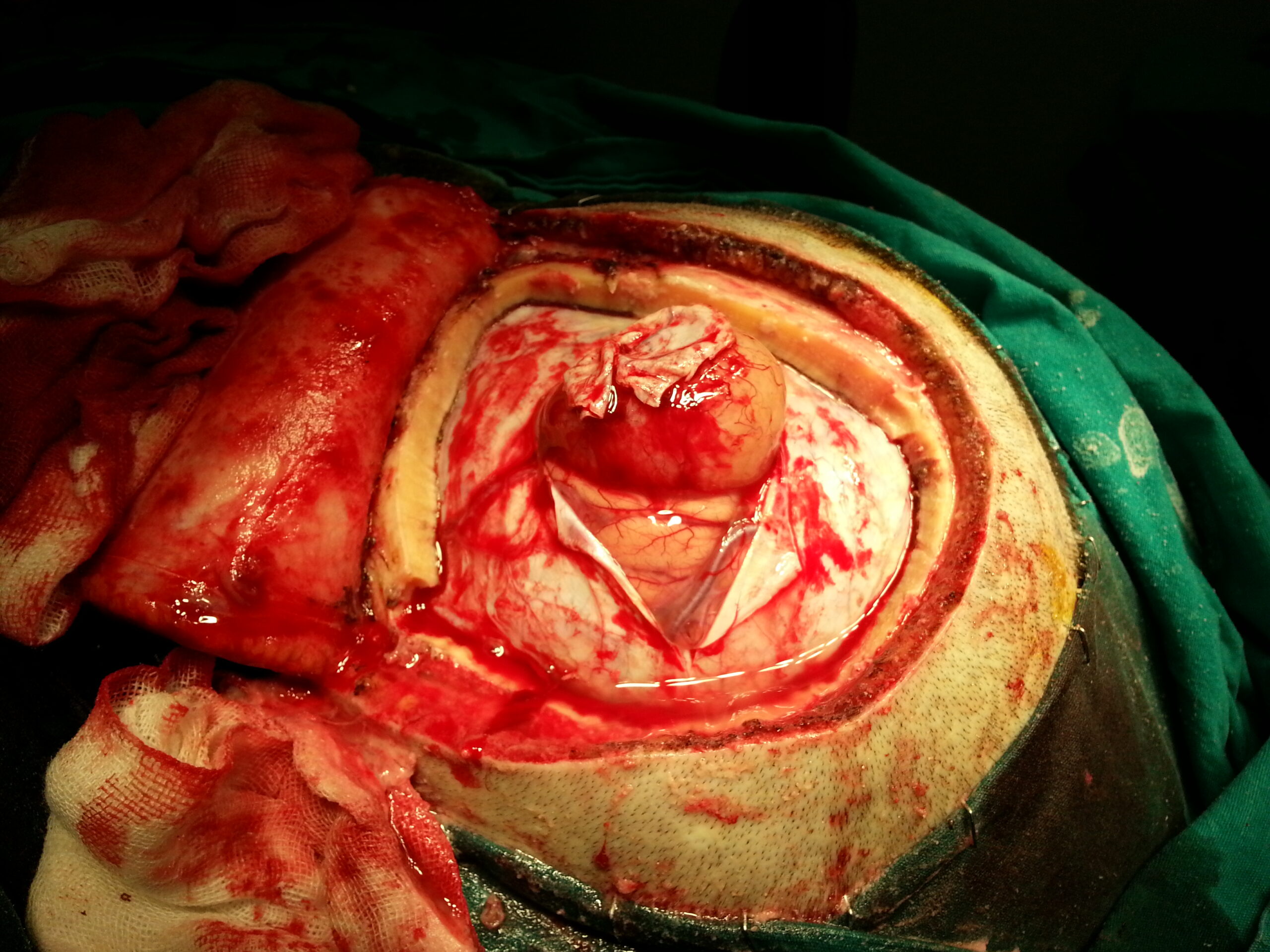
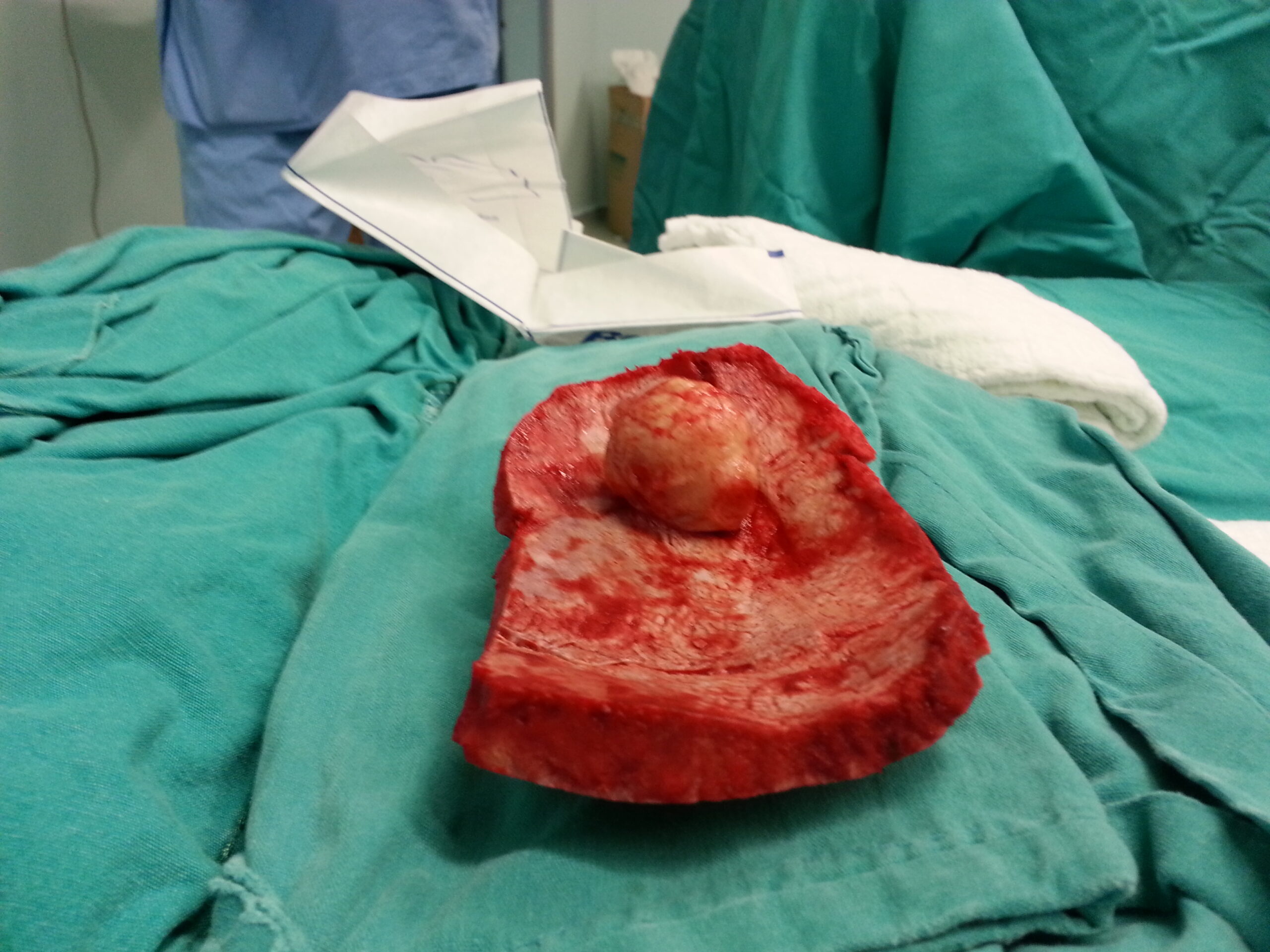
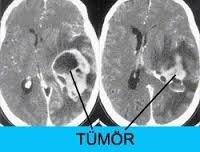
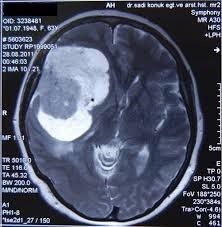
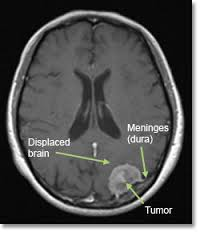
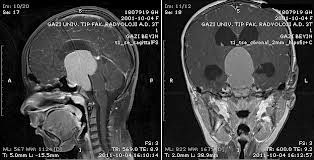
Brain tumors are masses, both benign and malignant, that develop as a result of abnormal growth of normal cells in the brain. Brain tumors occur in all ages, including newborns. After middle age, a large number of cancer patients, especially those with cancer, can develop a brain tumor due to the spread of the cancer. The resulting mass can increase intracranial pressure, putting pressure on the brain and causing a variety of negative symptoms. Early diagnosis of brain tumors often impacts the patient's life and quality of life.
Under pressure, the brain loses its normal structure and becomes unable to perform its functions, and the following symptoms mainly occur:
- 1- Headache
- 2- Epilepsy-like fainting spells
- 3- Partial paralysis in some parts of the body
- 4- Severe vomiting
- 5- Loss of some of our physical abilities
- 6- Personality disorders
Headache: Only patients with brain tumors in experience headaches. Our patients report that the pain began in the last few months and has gradually worsened.
Nausea and vomiting: It is important that it be accompanied by a headache and has been present for several days or weeks. However, the prolonged presence of headache and vomiting suggests migraine.
Double vision and blurred vision: Double vision, blurred vision, and decreased vision, occurring with or without headache, are the first symptoms of brain tumors.
Weakness, clumsiness, and imbalance in the arms and legs: Recent numbness in the right or left side of the body, weakness, numbness, and clumsiness in the hands may be observed. A "drunken gait" and "unsteadiness" while walking may be symptoms of a cerebellar tumor.
Speech disorder: Inability to speak, difficulty understanding, incorrect word expressions, or drunken speech may also be the first signs of brain tumors.
Epilepsy: Involuntary seizures, with or without loss of consciousness, and panic attacks, along with feelings of uneasiness, may be a form of epilepsy. Seizures of this type, particularly those occurring after age 20, should be considered a brain tumor until proven otherwise.
It is possible to divide brain tumors into two main categories…
Brain tumors are generally classified as primary or secondary, and these are those that (usually) begin elsewhere in the body and metastasize to the brain, or those that form in the brain. Brain cancers are more common in people under 9 and over 55, and are more common in Caucasians and men.
1- Benign tumors: They have a slow reproductive rate. They can also be easily separated from brain tissue and can be removed entirely or nearly entirely. Therefore, postoperative outcomes are excellent. However, even if the tumor is benign, if it is located in vital, sensitive areas of the brain, the results are unfortunately not as promising.
2- Malignant tumors: They multiply very quickly, resembling mud. Therefore, they cannot be completely removed surgically. After surgery, they grow back for a certain period of time, continuing to press on the brain. Malignant tumors can also be classified according to their rate of growth. While some tumors offer a survival rate of 5-6 years after surgery, others regenerate within 5-6 months, resulting in death.
The treatment for brain tumors is surgical. Whether benign or malignant, all tumors are treated surgically. However, in some cases, surgery may not be possible. If the tumor is located in sensitive, vital areas of the brain, touching these areas would be life-threatening, and the tumor may be left in place. In this case, only radiation therapy and medication (chemotherapy) may be used.
Tumors originating in other parts of the body can spread to the brain. This is called metastasis. Lung cancers, in particular, can spread to the brain and are considered malignant tumors. Even with surgery, the results are often disappointing. In some cases, if there are only a few focal areas of spread, surgery may not even be necessary. The patient undergoes chemotherapy and radiation therapy.
Classification of Brain Tumors
Pituitary Adenomas
Meningeal Tumors
Metastatic Tumors
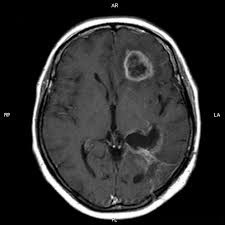
Metastatic tumors are tumors that occur when tumors from other parts of the body spread to the brain. These tumors manifest by increasing intracranial pressure and/or causing nervous system damage, depending on their location. Such metastases can often be the first sign of the tumor. These tumors can cause extensive edema, which can be visualized radiologically.
Angle (Pontocerebellar) Tumors
These tumors are located in a specific area of the brain tissue. Auditory nerve tumors (acoustic neuromas) are the most common tumors. Meningiomas (cerebral meningeal tumors) and epidermoid tumors are also encountered. In addition to the general symptoms of brain tumors, tumors in this area also cause hearing and balance disorders. When these tumors are detected in small sizes, hearing can be preserved. If the tumor is very large, hearing cannot be preserved and the facial nerve can also be affected.
Glial (Brain Tissue) Tumors
These tumors are generally malignant and grow within brain tissue. Their symptoms are general. Symptoms also vary depending on their location. Epilepsy (seizures) may be the first symptom in some patients.