

Herniated Disc
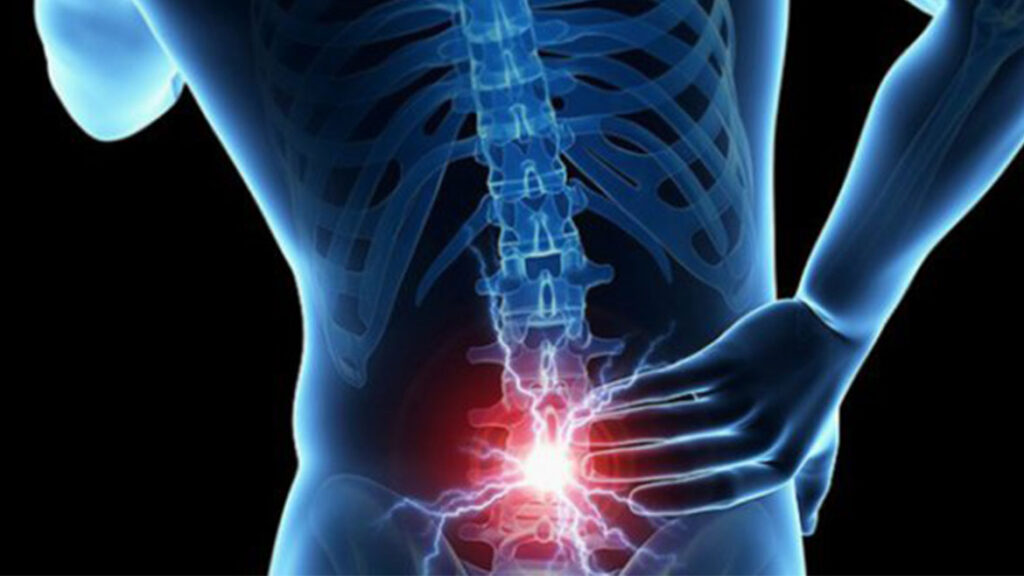
Herniated Disc Home Page / What is a Herniated Disc? Symptoms and Treatment Although it's most common in people between the ages of 30 and 60, a herniated disc can occur at almost any age, significantly impacting our quality of life. So, what is a herniated disc, and what are its symptoms? Herniated disc treatment and prevention methods... A herniated disc, also known as a slipped disc, is a medical condition affecting the vertebrae. So, what are the symptoms of a herniated disc? How is a herniated disc treated? WHAT IS A HERNIATED DISC? Your spine is made of a jelly-like substance. The vertebrae are made of 26 bones, cushioned by soft discs. These discs allow your spine to move and bend. However, if a disc between two vertebrae begins to dislocate, it can irritate the surrounding nerves and cause extreme pain. This explains the condition we call a herniated disc. WHAT CAUSES A HERNIATED DISC? A herniated disc is most often the result of gradual, aging-related wear and tear called disc degeneration. As you age, your spinal discs lose some of their water content, making them less flexible and more prone to tearing with even a small stretch or bend. Sometimes, twisting and turning during lifting, such as when you try to lift large, heavy objects using your back muscles instead of your legs and leg muscles, can lead to a herniated disc. Rarely, a traumatic event, such as a fall or a blow to the back, can cause a herniated disc. RISK FACTORS FOR A HERNIATED DISC: Factors that increase your risk of a herniated disc include: Weight: Excess body weight puts extra stress on the discs in your lower back. Occupation: People who work in physically demanding jobs are at greater risk of back problems. Repetitive lifting, pulling, pushing, side bending, and twisting can also increase the risk of a herniated disc. Genetics: Some people have a predisposition to herniated discs. Herniated Disc Symptoms The most common symptoms of a herniated disc include: Arm or leg pain: If your herniated disc is in your lower back, you'll usually feel the most intense pain in your hips and calf. The pain can also involve part of your foot. If your herniated disc is in your neck, the pain will usually be most intense in your shoulder and arm. This pain can radiate down your arm or leg when you cough, sneeze, or bend your spine into certain positions. Numbness or tingling: People with a herniated disc often experience numbness or tingling in the area of the affected nerves. Muscle weakness: The muscles around the affected nerves tend to weaken. This can impair your ability to lift or hold objects. You may also have a herniated disc without knowing it: Herniated discs sometimes appear similar to the spinal discs of people without a disc problem. If your neck or back pain radiates down your arm or leg or is accompanied by numbness, tingling, or weakness, you should definitely seek medical attention. Back pain is no laughing matter! COMPLICATIONS OF A HERNIED DISC: Your spinal cord doesn't extend into the lower part of your spine. Just below your waist, the spinal cord branches into a group of long nerve roots (cauda equina) that resemble a horse's tail. Rarely, a herniated disc can compress the entire cauda equina. Emergency surgery may be necessary to prevent permanent paralysis. Seek immediate medical attention if: Worsening symptoms: Pain, numbness, or weakness may worsen to the point where you can't perform your daily activities. Bladder or bowel dysfunction: People with cauda equina syndrome (caused by compression of the nerves and nerve roots at the lower end of the spinal cord) may experience incontinence. They may be unable to hold their urine or stool. Numbness between the legs: This progressive loss of sensation affects the inner thighs, the back of the legs, and the areas around the rectum. So, should a herniated disc be operated on? If there is a neurological deficit or motor loss, commonly known as partial paralysis, that doesn't go away. If pain is persistent and impacts your social and professional life, consider surgery. A half-hour microsurgical or endoscopic procedure can provide relief. You should discuss the surgical method with your doctor. RELATED DISEASES: Scoliosis, Brain Hemorrhage, Carpal Tunnel Syndrome
Scoliosis
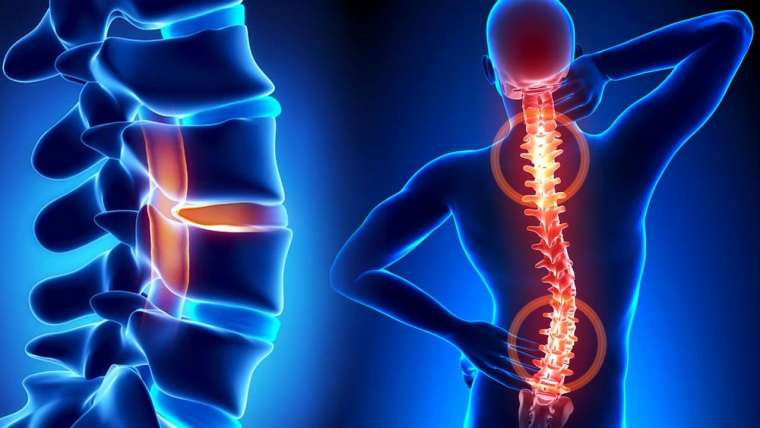
Scoliosis Home Page / What is scoliosis? What are its causes and symptoms? While the curvature can be noticed even when standing upright when looking at the spine from behind, it is sometimes not so obvious and can only be detected when bending forward, during check-ups and x-rays. What is Scoliosis? Scoliosis is the sideways curvature of the spine that can be seen in the thoracic or lumbar regions. In a normal and healthy spine, the vertebrae lie in a straight line from top to bottom when viewed from behind, namely in the neck, back and lumbar regions. In scoliosis, the vertebrae shift to the right or left and at the same time, the spine rotates around its own axis. Scoliosis Symptoms Scoliosis is a disease that threatens the future of children in adolescence. When the disease is detected early, a success rate of up to 100 percent is achieved in treatment. However, if spinal curvatures that are not diagnosed in time and have progressed, the normal development of the child is prevented. During adulthood; Low back and back pain, heart and lung dysfunctions occur. Scoliosis affects 2-3 out of every 1,000 people and requires active treatment, and 1 out of every 1,000 requires surgery. Scoliosis is easily detected by the discerning eye. These symptoms include: • An unevenness between the hips and shoulder heights. • The distance between the arms and body becomes uneven, and body balance is disrupted. • Children feel like one leg is longer because the head is thrown to one side and the body to the other. • A section of a girl's skirt is pulled up. • Asymmetry in the rib cage and a bulge on one shoulder blade may be observed. Patients presenting with these complaints are diagnosed with scoliosis. How is Scoliosis Diagnosed? The diagnosis of scoliosis is made based on the findings of standing X-rays of the entire spine and a clinical examination by a physician. Plain films of the spine are sufficient, but an MRI is rarely necessary. The flexibility of the spine is tested. Anterior, posterior, and lateral radiographs of the entire spine, taken while standing, are sufficient to establish the diagnosis and determine the degree of scoliosis curvature. These radiographs measure the angle of deviation between the vertebrae where the curve begins and ends, and patients are monitored based on the progression of this angle. This angle is called the Cobb angle. The degree of rotation of the vertebra is also determined from these radiographs. If the angle is greater than 10 degrees, scoliosis is diagnosed. The Cobb angle and degree of vertebral rotation are crucial parameters for assessing the progression of scoliosis and monitoring the results of conservative treatments. Because scoliosis progresses with age, it is also necessary to assess the child's osseous development. Therefore, wrist and hip radiographs are sometimes used to determine children's growth status and the level of ossification. Nonsurgical treatment: Angles below 10 degrees: This degree, medically known as "spinal asymmetry," has no impact on a person's health. For the curve to be treated, the curve must be greater than 10 degrees. To prevent minor curves from posing a risk of scoliosis later in life, the patient should be examined at regular intervals. The key here is to determine whether the scoliosis is progressing. Angles between 20 and 40 degrees: Curves of 20 to 40 degrees are more common during adolescence. This degree, considered moderate scoliosis, is often treated with exercise, physical therapy, and bracing. Angles at 40 degrees: Scoliosis curves with a 40-degree curve have largely completed their growth and progression. For surgical intervention, the back curve must be greater than 45-50 degrees, and the lumbar curve must be 40 degrees. SURGICAL TREATMENT: Surgery is the most appropriate treatment for patients with continuing growth and a curve greater than 40 degrees (>40°). Surgical treatment is performed in these curves to prevent complications and improve cosmetic outcomes. Congenital scoliosis can be treated at younger ages and with lower degrees. Surgical treatment involves straightening the spine using screws and rods placed in the back and/or waist. Today's advancements in surgical techniques and adjunctive methods, such as imaging of spinal cord functions (neuromonitoring) during surgery, are highly beneficial in reducing potential complications and increasing surgical success. Our clinic boasts the infrastructure found in modern spine surgery centers, and we successfully perform scoliosis surgeries. RELATED DISEASES: Brain Hemorrhage, Carpal Tunnel Syndrome, Is It Possible to Manually Set a Herniated Disc?
Brain Hemorrhage
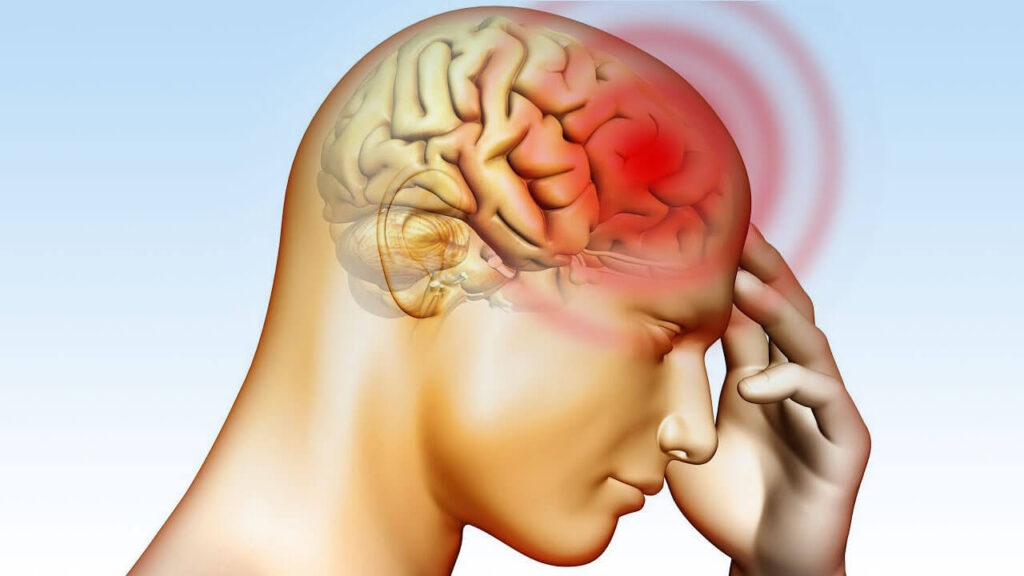
Brain Hemorrhage Home Page / What is a brain hemorrhage? Causes, symptoms, and treatment of brain hemorrhage… A brain hemorrhage (aneurysm) is a condition characterized by symptoms such as sudden and severe headache, nausea, vomiting, difficulty speaking, and dizziness. So, what is a brain hemorrhage? A brain hemorrhage is a serious condition in which the skull and brain are damaged due to a sudden increase in blood flow to the brain. If not treated early, it can lead to serious health problems. Now, let's try to explain the causes, symptoms, and treatment of brain hemorrhage… WHAT IS A BRAIN HEMORRHAGE? A brain hemorrhage is a condition that occurs when the walls of the blood vessels supplying the brain rupture, causing blood to leak into the brain and damage brain tissue. Brain hemorrhages are usually labeled according to where they occur in the brain. In general, bleeding anywhere in the skull is called an intracranial hemorrhage. Bleeding within the brain is known as an intracerebral hemorrhage. Bleeding can also occur between the brain and the brain tissue itself, called a subarachnoid hemorrhage. If a blood clot forms between the skull and brain, it is called a subdural or epidural hematoma, depending on whether it is above or below the brain's tough covering (dura). Subdural and epidural hematomas occur as a result of trauma or after a fall. CAUSES OF BRAIN HEMORRHAGES There are several risk factors and causes of brain hemorrhages. The most common are: – Head trauma: Injury is the most common cause of bleeding in the brain in people under 50. – High blood pressure: This chronic condition can weaken blood vessel walls over time. Untreated high blood pressure is a significant cause of brain hemorrhages. – Aneurysm: This is a weakening of the wall of a swollen blood vessel. It can rupture, and blood can flow into the brain, leading to a stroke. – Blood vessel abnormalities (arteriovenous malformations): Weaknesses in the blood vessels in and around the brain may be present at birth and are only diagnosed if symptoms develop. – Amyloid angiopathy: This is an abnormality of the blood vessel walls that sometimes occurs with aging and high blood pressure. It can cause very small, unnoticeable bleeding before anything larger develops. – Blood or bleeding disorders. Hemophilia and sickle cell disease can both contribute to low blood platelets. – Liver disease – Brain tumor – Alcohol, drug abuse, etc. BRAIN HEMORRHAGE SYMPTOMS A brain hemorrhage can cause a variety of different symptoms. These symptoms may include sudden tingling, weakness, numbness, or paralysis in the face, arm, or leg. This is likely to occur on only one side of the body. Other symptoms of a brain hemorrhage include: – Sudden, severe headache – Difficulty swallowing – Vision problems – Loss of balance or coordination – Confusion or difficulty understanding – Difficulty speaking – Drowsiness or unconsciousness – Seizures BRAIN HEMORRHAGE TREATMENT Patients with bleeding inside the brain must be monitored very closely. Early treatment includes stabilizing blood pressure and breathing. A breathing assistant (ventilator) may be needed to ensure adequate oxygen supply to your brain and other organs. Intravenous access is needed so that the patient can be given fluids and medications, especially if the person is unconscious. Special monitoring of heart rhythms, blood oxygen levels, or intracranial pressure is sometimes necessary. Once a person is stabilized, a decision is made on how to stop the bleeding. The decision to perform surgery depends on the extent and location of the bleeding. Not everyone with an intracranial hemorrhage requires surgery. Various medications can be used to reduce swelling around the bleeding area, maintain optimal blood pressure, and prevent seizures. Pain medication may be required if the patient is awake. RELATED DISEASES: Carpal Tunnel Syndrome. Is it possible to manually locate a herniated disc?
Carpal Tunnel Syndrome
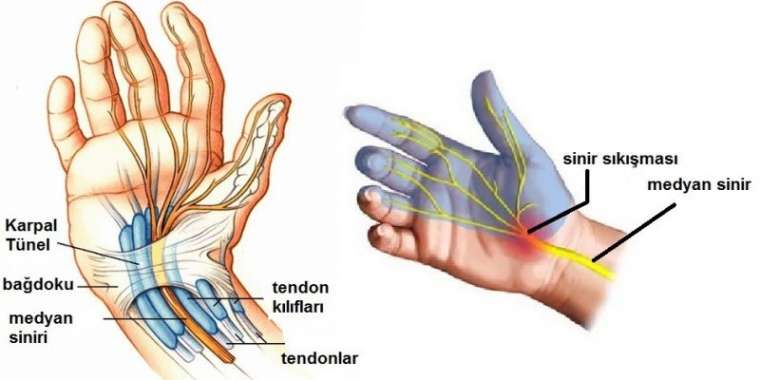
Carpal Tunnel Syndrome Home Page / The disease of the age: Carpal Tunnel Syndrome! The insidious disease that technology threatens the hands: Carpal Tunnel Syndrome… So what can be done to prevent this disease? In recent years, the increase in technology use has seriously threatened our hands, one of our most important organs, even the symbol of our freedom! The name of this rapidly spreading problem is Carpal Tunnel Syndrome, also known as a disease of the hand-wrist canal, which is the leading cause of nerve compression. WHAT ARE THE SYMPTOMS OF CARPAL TUNNEL SYNDROME? Carpal Tunnel Syndrome is a disease that has rapidly spread in recent years. The excessive increase in technology use, smartphones, computer use not only at work but also at home, social media and computer games, and unconscious sports activities all contribute to this serious condition, posing a significant threat to our hands today. Symptoms that begin with swelling, numbness, loss of sensation, and loss of ability in the hands can progress to muscle atrophy, weakness, and even paralysis if the right intervention isn't timely. INCORRECT MOUSE HOLDING… Avoid keeping your wrists bent for extended periods when using a computer or keyboard. If your wrists are lifted upwards or downwards beyond 20 degrees, circulation to the nerves that move the fingers in the wrist is impaired. Holding a mouse incorrectly, using a laptop in a lap or lying position, working for extended periods on a non-ergonomic keyboard, and holding your wrists in the same position for extended periods while using mobile phones all compress the nerves that pass through a narrow space in the wrist called the carpal tunnel. Don't give in to the intensity of work or communication and neglect these very important rules, thereby inviting insidious hand disease. THESE DISEASES TRIGGER CARPAL TUNNEL SYNDROME Carpal Tunnel Syndrome, which affects our hands, can also occur due to conditions such as diabetes, obesity, rheumatoid arthritis, hypothyroidism, obesity, and gout. Liver, kidney, and metabolic disorders that cause swelling of the tissues inside the canal called the carpal tunnel, where the median nerve, which moves the fingers, passes on the inside of the wrist, also exacerbate the condition. However, controlling the underlying health problems and receiving proper treatment can also eliminate this serious problem. Nerves are one of the tissues in our body that has the heaviest metabolism. Exercise and cardio exercises reduce body fat and swelling, while also increasing blood flow to all tissues, thus benefiting the nerves in our wrists and creating a strong protective shield against Carpal Tunnel Syndrome. However, those who do weight training, especially strenuous exercises without protecting the wrist with a splint or bandage, can do more harm than good. Regular brisk walking for at least 45 minutes at least three days a week can also replace exercise. EXCESS WEIGHT ALSO AFFECTS THE HANDS Numerous scientific studies have revealed the health risks of excess weight. One of the organs damaged by excess weight is our hands! Carpal Tunnel Syndrome is particularly common in those who are overweight. Therefore, strive to maintain an ideal weight. GET YOUR VITAMIN VALUES CHECKED However, it is possible to prevent the disease or speed up the treatment process if a problem has already begun by taking certain measures in your daily life. One of those measures is to avoid extreme diets! Vitamin B, in particular, is very important in this regard, as it accelerates nerve metabolism and ensures their health. Diets that severely restrict vitamin B increase the frequency of these problems. DEFINITE TREATMENT IS POSSIBLE The symptoms of Carpal Tunnel Syndrome usually begin gradually, manifesting as burning, tingling, numbness, itching, or loss of sensation, especially in the thumb, index finger, middle finger, and palm. The disease most commonly affects the thumb, which controls not only our hand but also 50 percent of our lives. If relief is not achieved with a wrist brace and medications, the compressed nerve is released through a 1cm incision under local anesthesia in a procedure that takes approximately 10 minutes. RELATED DISEASES Is it possible to manually locate a herniated disc?
Is it possible to manually locate a herniated disc?
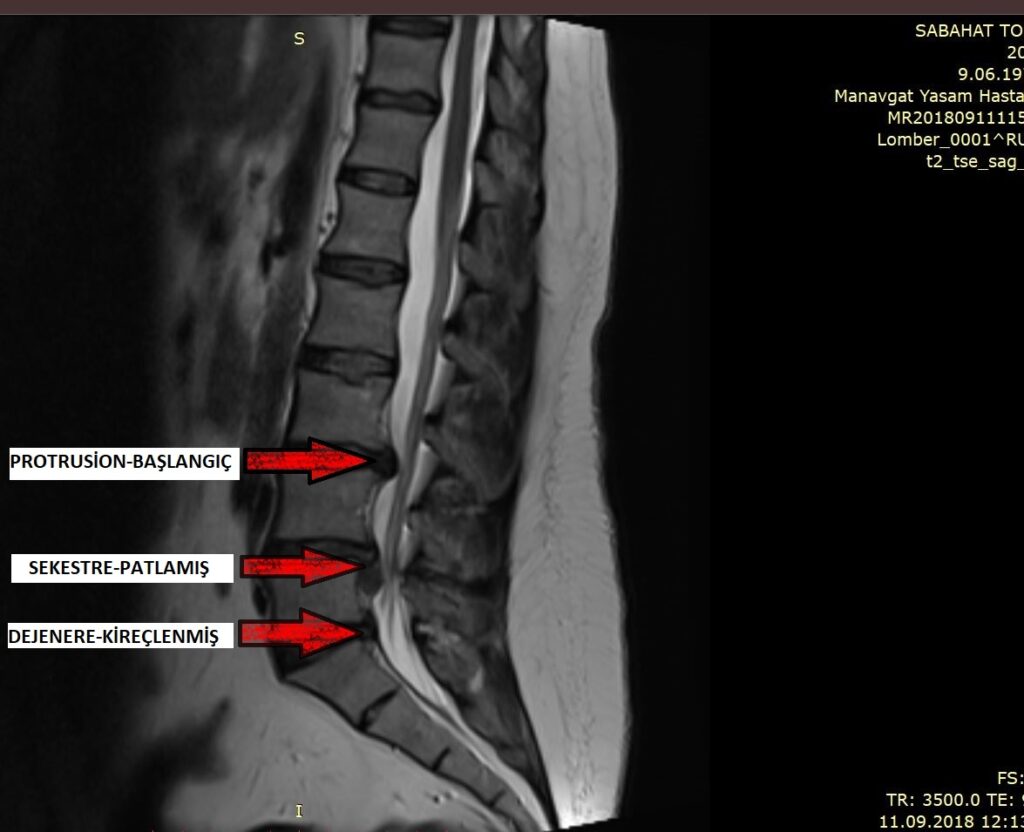
Is Manual Herniated Disc Location Possible? Home / Is Manual Herniated Disc Location Possible? One of the most common traditional methods used by those experiencing back pain and those diagnosed with a herniated disc is to visit someone who claims to have done manual herniated disc placement. Is this true? Of course not! Even in the thinnest person, there is a distance of 5-6 cm between the herniated disc and the area where manual therapy is claimed. Approximately 4-5 cm of this is formed by a bony canal, which is impossible to manipulate. Furthermore, the skin and subcutaneous fat, which vary depending on the patient's weight, exceed 1 cm even in the thinnest person. Therefore, such an intervention is not possible. However, for unruptured (not extruded/migrated or sequestered) subcapsular (annulus fibrosis) hernias, controlled traction by a physical therapist may be beneficial. RELATED DISEASES No Posts Found!


