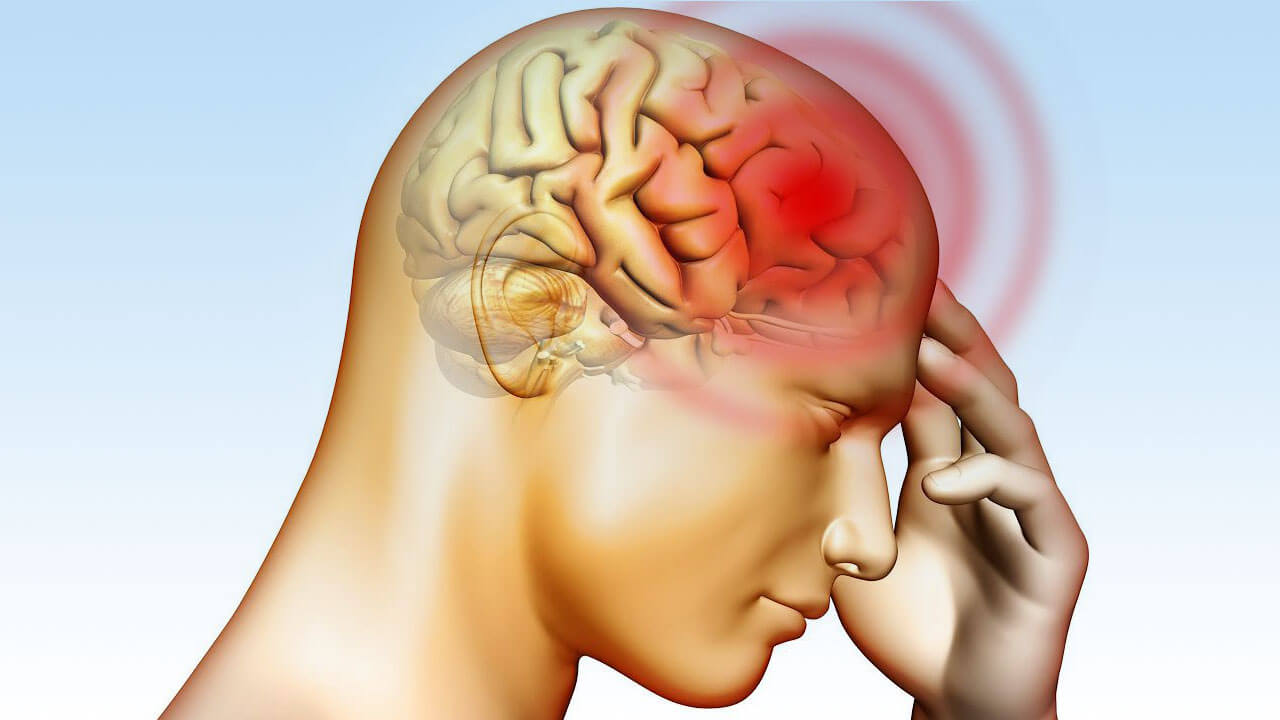
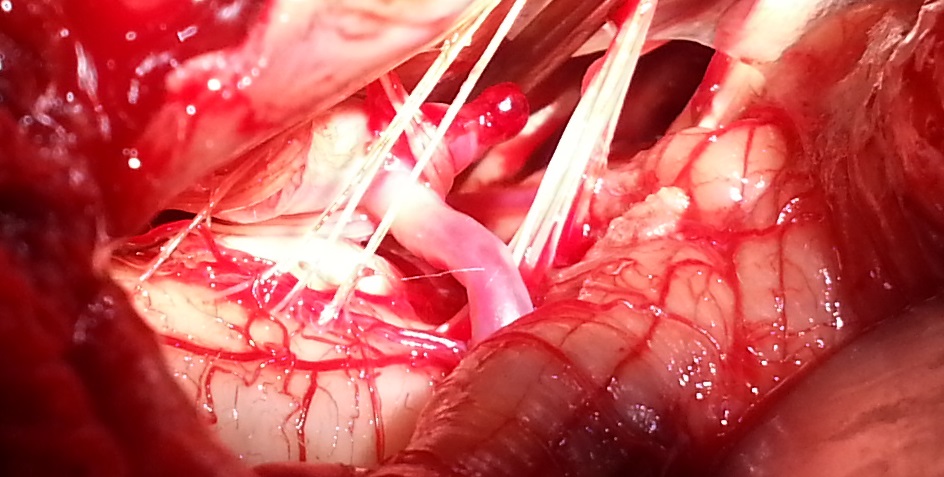
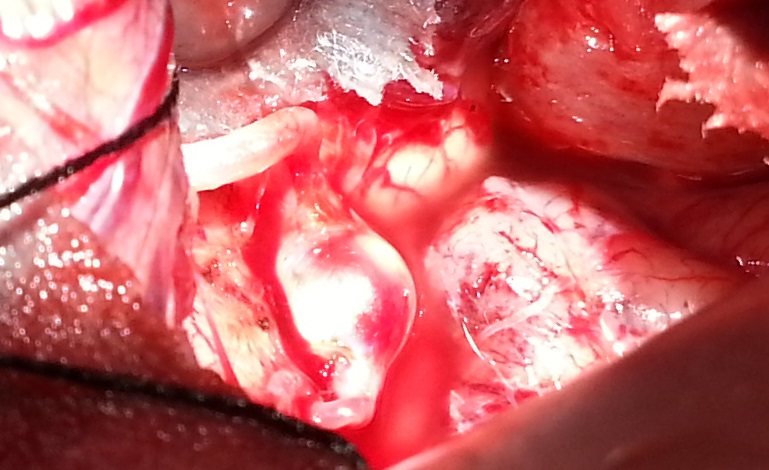
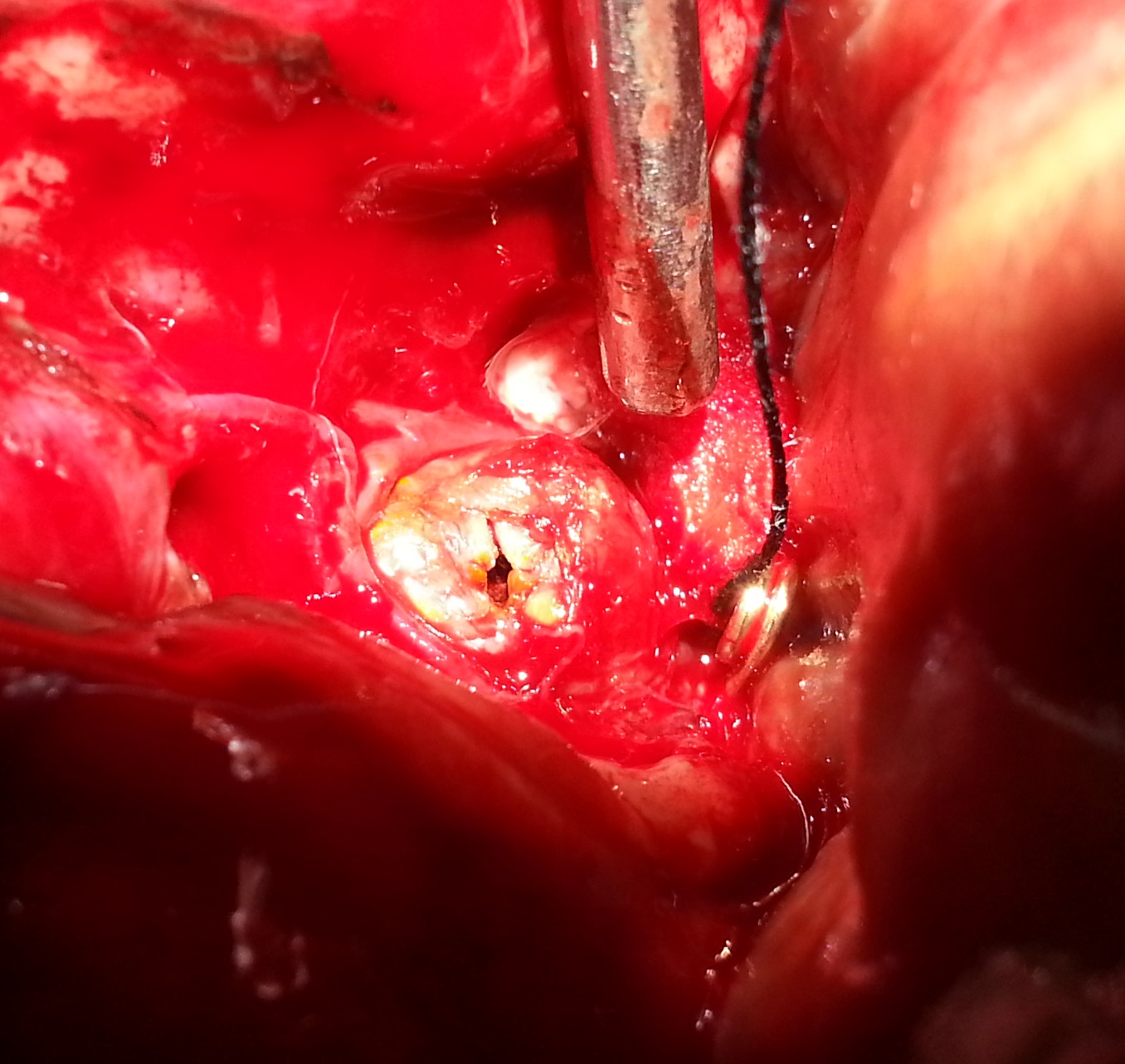
A brain hemorrhage is bleeding into the brain caused by the rupture of an artery within the brain. When a hemorrhage occurs, the brain, housed within the rigid skull, is crushed under the pressure of the fluid that fills it, causing various symptoms.
Types of Brain Hemorrhages
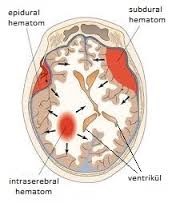
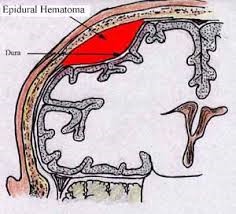
- Epidural:Between the skull and the dura, the outermost membrane of the brain
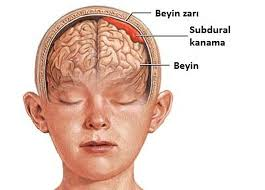
- Subdural:Between the dura and the brain
- Subarachnoid:Between the meninges
- Intracerebral:Into brain tissue
Epidural Hematoma
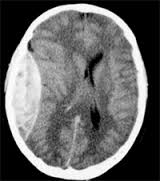
The brain is covered by a membrane called the dura mater. The blood vessels above this membrane can bleed due to trauma caused by broken or fractured skull bones. This bleeding accumulates between the dura mater and the skull bones, compressing the brain. Without surgery, brain death occurs, and the patient dies.
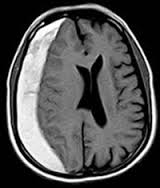
Subdural Hematoma
Severe trauma can damage the blood vessels above the brain. Blood leaking from these vessels can accumulate under the dura mater (brain membrane), causing further brain compression.
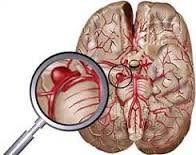
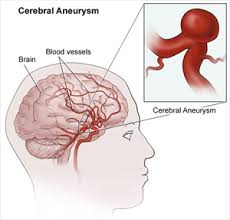
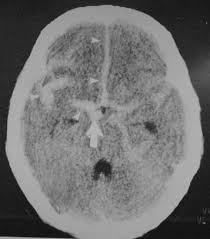
Subarachnoid (Aneurysm/Blister) Hemorrhage
Bleeding can also occur beneath the arachnoid membrane, the very thin membrane that covers the brain. This type of bleeding is caused by aneurysms, or bubbles in the blood vessels.
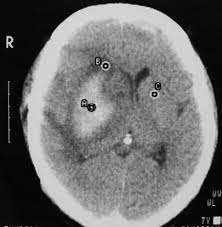
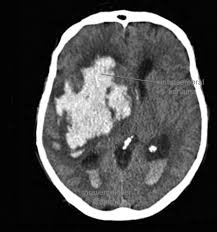
Intracerebral Hematoma
These are bleedings that occur within the brain tissue. They generally occur in patients with hypertension or due to a sudden increase in blood pressure. All of these types of bleeding can occur in patients taking blood thinners (Coraspin, Plavix, Coumadin).
Treatment
The goals of treatment are to save life, relieve symptoms, eliminate the cause of bleeding, and prevent the development of adverse events. Treatment for a coma can be summarized as placing the patient in the appropriate position, maintaining a patent airway, providing life support, and inserting a thin plastic tube into fluid-filled areas of the head to reduce intracranial pressure.
Surgical treatment is usually necessary. A craniotomy (OPEN) is performed to open the skull and drain blood from above or below the membrane, or from within the brain, depending on the type of bleeding.
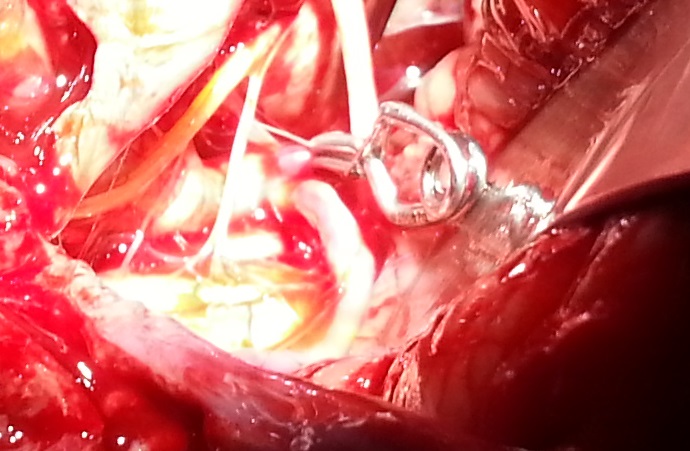
In cases of aneurysmal hemorrhage, the aneurysm is clipped (open surgery) or treated with an endovascular procedure, which involves inserting a coil (spring) into the brain through one of the groin arteries. The type of surgery required is determined after an angiogram. Surgery may also be necessary to address large amounts of intracerebral bleeding.